Evaluating the Rank Tracking Tools in 2026
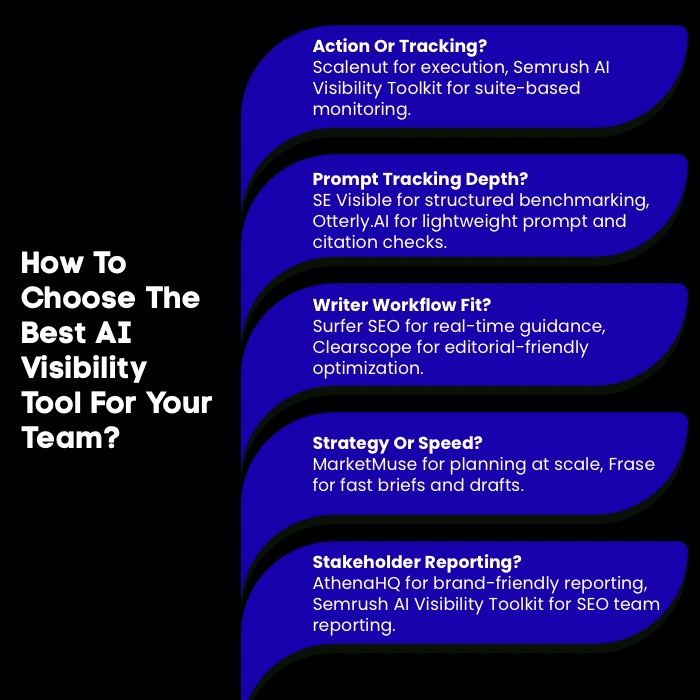
The most important takeaway for 2026 is that the "all-in-one" dream is fading. The search landscape has become too intricate for any single tool to master every discipline perfectly. The most successful e-commerce brands are now constructing a "Hybrid Stack"a carefully picked combination of tools that cover the 3 pillars of contemporary exposure: Intelligence, Optimization, and Efficiency.
Semrush or Ahrefs. Why: You require enormous, historical information lakes to find macro patterns. These tools tell you what to discuss and who you are combating against. They are your tactical compass. Purpose: To engineer your content and technical facilities for both people and AI representatives. Rankability or Web surfer.
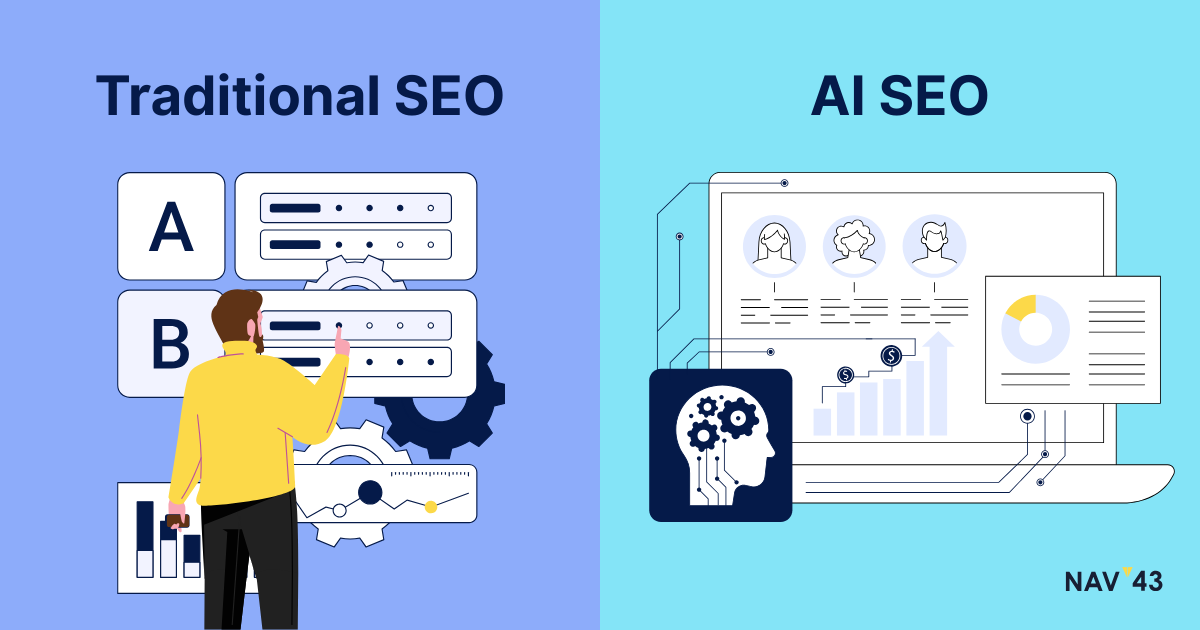
These tools ensure your material is "agent-ready," generating the files and entity associations required to be cited by ChatGPT and Gemini. Why: Intelligence suites are frequently slow or use approximated information for rankings.
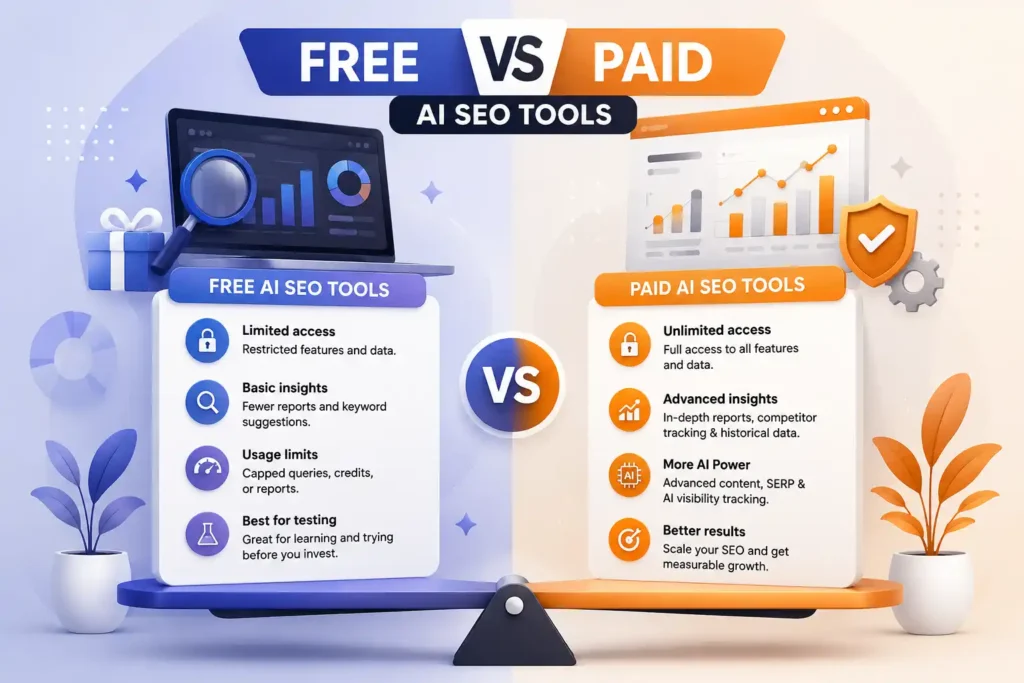
In 2026, lots of tools are including generic "AI Writing Assistants" to validate rate hikes. Spend your software application budget on distinct datalike pixel tracking, historic SERP archives, or proprietary visibility scoresnot on generic text generation features you can get in other places for totally free.
In 2026, we are seeing a divergence in between "Ranking" and "Being Clicked." Understanding the particular mechanics of AI Overviews (AIO) is the only way to change your forecasting designs. Contrary to earlier concerns, AI Overviews have actually not "eaten" everything. Google has developed a clear "Intent Hierarchy" to protect its core ad profits.
Maximizing Brand Organic Presence through New SEO ToolsSelecting the Best SEO Tools for Scaling
Your "Intelligence" tools (Category A) are essential here., AI has taken over.
Users are checking out the AI summary and leaving. Brand names that appear as "Cited Sources" in these zero-click summaries see a huge increase in branded search volume later on in the journey.
Protecting continuous suggestions from generative engines requires an active system that affects every layer an AI model examines, from your technical website architecture to off-site community recognition. Large Language Models do not examine a website codebase in isolation (they constantly cross-reference internal technical paths with off-site neighborhood discussions to confirm true category authority).
Create a Winning SEO Strategy for 2026
is the very first AI presence platform built particularly for the complex reality of commerce. The tool sets prompt-level exposure tracking across ChatGPT, Gemini, and Google AI Overviews with 3 specialized autonomous execution agents: the Onsite Representative to automatically fix damaged schemas and product information page structures, the Material Agent to generate review-backed buying guides, and the Activation Representative to set in motion real clients on the third-party forums LLMs scan for recognition.
This structure of authentic buyer voices provides the tidy data streams that LLMs naturally trust to build recommendations. Brands like David Protein and Beekman 1802 utilize this agentic facilities to align their operations with modern-day model behavior. To evaluate your brand name's baseline exposure rating, go to or sign up with the early access product waitlist at.
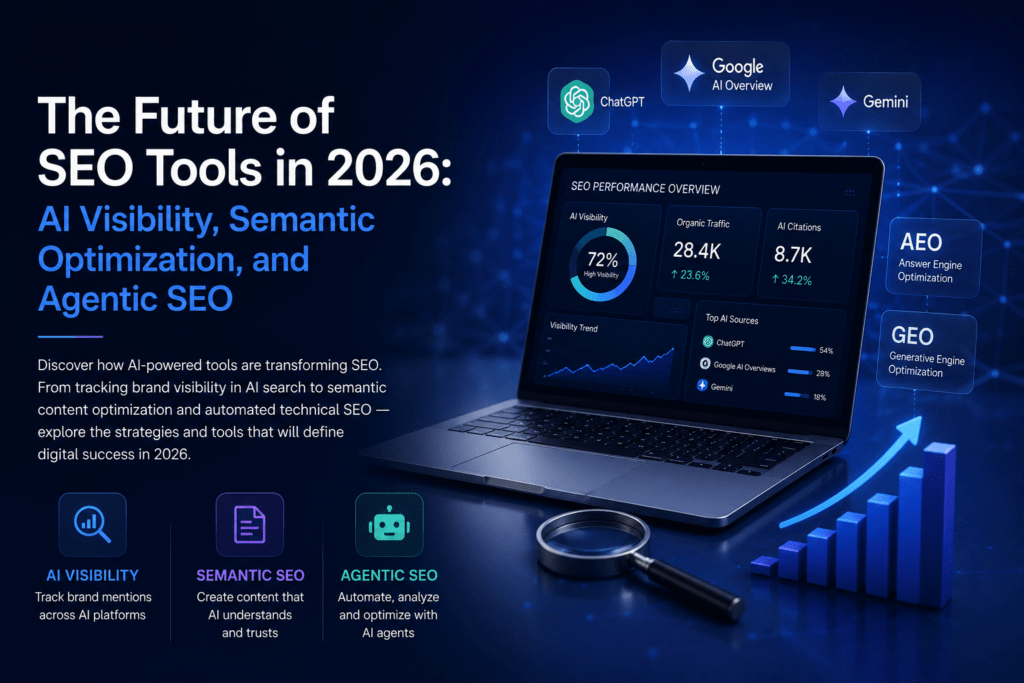
The goal is no longer to merely rank # 1 on a fixed list, however to protect "Pixel Exposure" across a fluid environment of AI Overviews, answer engines, and traditional outcomes. The tools highlighted here have actually successfully adjusted to this volatility, offering the intelligence required to browse the current search environment.
The Future of Programmatic SEO Suites
Satisfy the Tool That Gets Your Products Recommended by AI Rank tracking reports your ordinal position (e.g., "Rank 1"), which can be misinforming in 2026. "Pixel tracking" determines the outright pixel depth of your link from the top of the screen. Since AI Overviews and ads push natural outcomes down, a "Rank 1" outcome might in fact sit 1,200 pixels down the pagebelow the fold on a lot of devices.
This change eliminated a massive amount of bot traffic that was previously pumping up impression information. As kept in mind by market analysts, this left brands with cleaner, albeit lower, information.
An file functions as a sitemap specifically for AI representatives, assisting crawlers like GPTBot to your most crucial material. Producing this file guarantees that AI models consume your verified product data rather than "hallucinating" incorrect details, effectively safeguarding your brand equity in the. For small companies or lean teams, Wincher and SE Ranking are the top recommendations.
Findings suggest that when an AI Introduction is present on a SERP, the Click-Through Rate (CTR) for the leading organic outcome drops by roughly. The "Fantastic Decoupling" refers to the divergence in between standard ranking signals and actual presence, largely set off by Google's elimination of the num=100 specification and the increase of AI Overviews.
Automating Search Traffic with Programmatic SEO Strategies
If you have a physical place, yes. Generalist tools often lack the hyper-local accuracy needed for "near me" searches. Tools like BrightLocal or Nightwatch use grid-tracking technology that can show how your ranking modifications from street to street, which is critical for catching foot traffic in competitive regional markets. Weekly reporting is no longer adequate due to the high volatility of AI results.
Tools like AccuRanker even use on-demand refreshes, permitting you to check rankings immediately after an item upgrade or cost change. GEO is the practice of optimizing material particularly to be comprehended and mentioned by AI engines (like Google Gemini and ChatGPT). Unlike conventional SEO, which concentrates on keywords and links, GEO concentrates on "Entity Authority," structured data, and direct answers, ensuring that your brand name is suggested when an AI synthesizes an action for a user.
Maximizing Brand Organic Presence through New SEO ToolsRevised April 22, 2026Revised August 3, 2022Revised June 2, 2021Revised April 27, 2020 Management guru Peter Drucker notoriously said "You can't handle what you do not measure." Search engine optimization uses a broad variety of quantifiable aspects. 2 of the a lot of fundamental are website check outs from natural search and target keyword rank.
For the latter, SEO practitioners and digital marketers turn to rank tracker (a.k.a. rank monitoring or rank monitoring) tools. Basically all of these tools will track rankings gradually for multiple keywords on several engines for numerous URLs; some supply additional functions like keyword recommendations, geo tracking (the ability to view rankings as if one were browsing from any specific city, or on numerous country-specific search engines), and separate tracking for mobile and desktop search rankings.